

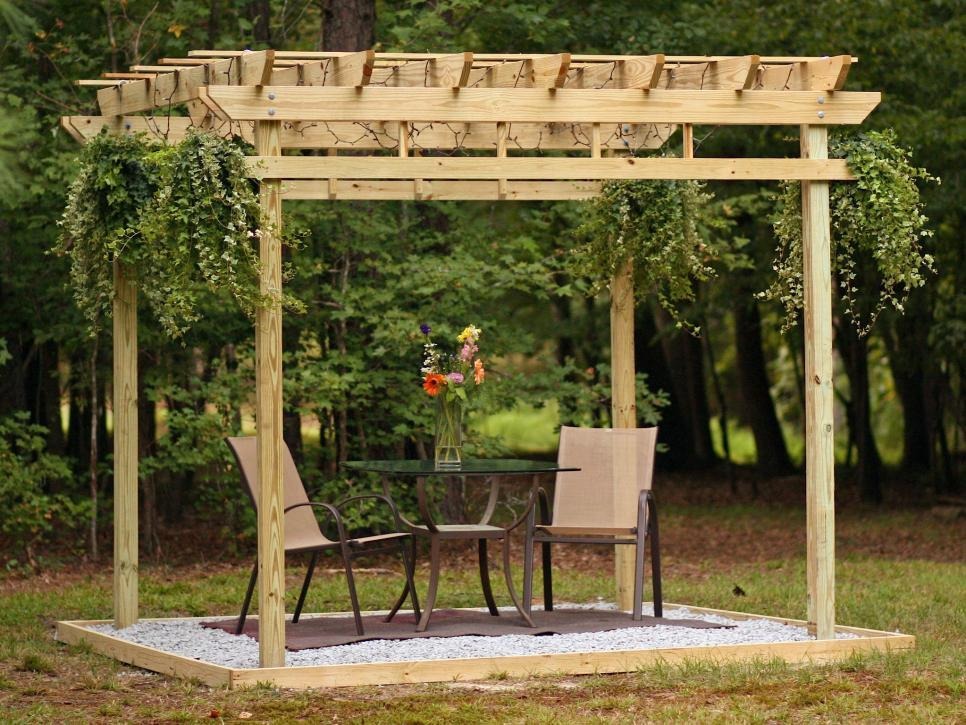
Pergolas have become a defining feature in modern backyard design, offering a balance between structure and openness that few outdoor elements can match. Whether installed over a patio, garden seating area, or poolside retreat, a pergola shapes how outdoor space is used and experienced. As homeowners look to extend their living areas beyond interior walls, the choice of pergola design plays a significant role in comfort, usability, and long-term satisfaction.
One of the most common design decisions involves selecting between solid and lattice pergola styles. While both serve similar structural purposes, they differ greatly in how they manage light, airflow, and overall ambiance. Understanding these differences is essential for making a choice that aligns with both the environment and the homeowner’s lifestyle.
How Pergola Design Influences Outdoor Experience
A pergola is more than a visual enhancement—it directly affects how an outdoor space feels throughout the day. Sun exposure, shade patterns, and airflow all contribute to comfort levels, especially in climates where temperatures fluctuate significantly. The design of the overhead structure determines how much protection or openness the space provides.
Solid pergolas offer consistent shade, creating a cooler and more sheltered environment. Lattice designs, on the other hand, allow filtered sunlight to pass through, producing a dynamic interplay of light and shadow. Each option brings a distinct atmosphere, which is why the decision should be guided by how the space will be used.
Balancing Shade and Ventilation
Outdoor comfort often comes down to finding the right balance between shade and airflow. Solid covers block direct sunlight effectively, making them ideal for areas exposed to intense heat. However, they may reduce natural ventilation if not designed with adequate spacing or height.
Lattice pergolas promote airflow by design, allowing breezes to move freely through the structure. This can make a noticeable difference in warmer regions, where even partial shade combined with airflow can significantly improve comfort levels.
Material Considerations in Modern Pergola Construction
The choice of material is just as important as the design itself. Traditional wood pergolas offer a classic appearance but often require ongoing maintenance to prevent weather-related damage. Over time, exposure to moisture and sunlight can lead to warping, cracking, or fading.
Aluminum-based systems, particularly those engineered to resemble wood, have become a preferred alternative for many homeowners. These structures maintain their appearance with minimal upkeep and are designed to withstand varying weather conditions without compromising structural integrity.
Durability and Long-Term Performance
From a contractor’s perspective, durability is a key factor when recommending pergola solutions. Aluminum pergolas resist common issues associated with wood, such as rot and insect damage. This makes them especially suitable for homeowners seeking a low-maintenance option that retains its visual appeal over time.
Manufacturers like Royal Covers have contributed to the growing popularity of aluminum pergolas by offering systems that combine structural strength with aesthetic flexibility. Their designs often accommodate both solid and lattice configurations, allowing homeowners to tailor their outdoor spaces without sacrificing durability.
Comparing Solid and Lattice Pergola Designs
When evaluating pergola options, the distinction between solid and lattice structures becomes central to the decision-making process. Each design serves a different purpose, and the right choice depends on how the space will be used throughout the year.
For a more detailed breakdown of these differences, homeowners often explore resources discussing solid vs lattice pergola configurations to better understand how each option performs in real-world settings.
Solid Pergolas: Consistent Coverage
Solid pergolas provide full overhead coverage, making them ideal for areas where protection from direct sunlight or light rain is a priority. This type of structure creates a defined outdoor room that can be furnished similarly to an indoor space. It is particularly effective for outdoor dining areas or lounge spaces that require predictable shade.
However, the reduced light penetration can make the space feel more enclosed. This is not necessarily a drawback, but it does require careful planning to ensure the area remains visually open and inviting.
Lattice Pergolas: Light and Airflow
Lattice pergolas offer a more open design, allowing sunlight to filter through evenly spaced beams. This creates a softer, more natural lighting effect that changes throughout the day. The result is a space that feels connected to the outdoors while still providing partial shade.
This style is often favored in garden settings or areas where maintaining a sense of openness is important. It also pairs well with climbing plants, which can enhance both shade and visual appeal over time.
Design Integration with Backyard Layout
A pergola should never feel like an isolated addition. Its design must align with the overall layout of the backyard, including patios, walkways, and landscaping elements. Proper placement ensures that the structure enhances both functionality and visual flow.
For homeowners planning a cohesive outdoor upgrade, integrating pergolas with features like pools or modern patios can create a unified environment. Guides such as this resource on backyard pool and patio design provide useful insights into coordinating different elements within a single space.
Proportion and Scale
The size and scale of a pergola should match the surrounding area. A structure that is too large can dominate the space, while one that is too small may not provide adequate coverage. Achieving the right proportions ensures that the pergola complements rather than overwhelms the backyard.
Design professionals often recommend considering sightlines and focal points when determining placement. A well-positioned pergola can draw attention to specific areas, such as a seating arrangement or garden feature.
Practical Installation Considerations
Installing a pergola involves more than assembling a structure—it requires careful planning of the foundation and anchoring system. Stability is essential, particularly in regions with strong winds or varying soil conditions. Even lightweight aluminum structures must be securely anchored to ensure long-term performance.
Site preparation also plays a critical role. Level surfaces, proper drainage, and adequate spacing around the structure contribute to both durability and usability. Addressing these factors during installation helps prevent future issues that could compromise the structure.
Adapting to Climate Conditions
Climate should always influence pergola design choices. In areas with intense sun exposure, solid covers may provide better comfort, while regions with milder climates may benefit from the openness of lattice designs. Understanding local weather patterns allows for a more informed decision that aligns with year-round use.
For additional inspiration and practical ideas, homeowners often explore design concepts from trusted sources like this collection of pergola design insights, which highlights how different styles can adapt to various environments.
Long-Term Value and Lifestyle Impact
Pergolas contribute to more than just aesthetics—they influence how outdoor spaces are used daily. A well-designed structure can extend the usability of a backyard, making it suitable for relaxation, dining, or social gatherings. Over time, this added functionality enhances the overall living experience.
From a property perspective, thoughtfully integrated outdoor features can also improve perceived value. Buyers often view these additions as extensions of the home, especially when they are designed with durability and usability in mind.
Final Thoughts on Selecting the Right Pergola Style
Choosing between a solid and lattice pergola ultimately comes down to how the space will be used and the level of exposure desired. Both designs offer unique advantages, and neither is universally better than the other. The key is aligning the structure with the homeowner’s needs, climate conditions, and overall design vision.
With careful planning and the right materials, a pergola becomes more than a backyard feature—it becomes an integral part of how the home is experienced. Whether creating a shaded retreat or an open-air gathering space, the right choice will continue to deliver value and comfort for years to come.